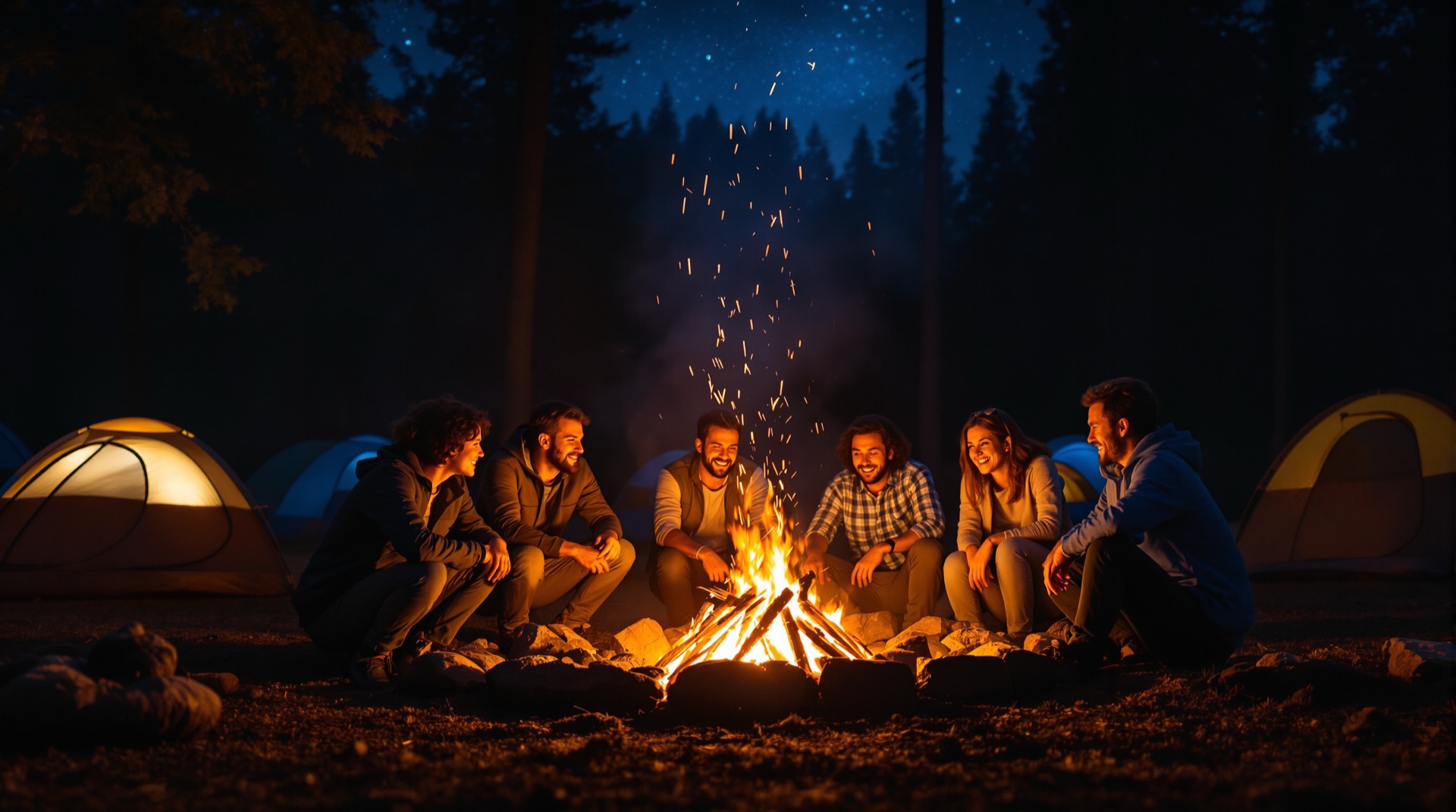
Read the archives of any long-lived outing club and you find, tucked between gear inventories and trip reports, a stranger and more precious genre: the traditions list. Mascots, curses, ceremonial objects, incidents referred to only by year. This lore is not decoration — it is the social technology that turned a recreational club into a community with a memory. These archetypes are presented anonymously but intact.
The Club Canon
- The club deity. One midwestern club maintained, for decades, a wholly invented god — invoked before trips for good weather and blamed, with full liturgical seriousness, for every flooded cave and broken tent pole. New members learned the rites around their first campfire. Theologians may object; the weather record is ambiguous.
- The Stupid Helmet. A battered, hideous helmet awarded ceremonially to the member who did the most magnificently foolish thing on a trip — and worn with pride, because the award doubled as a safety debrief everyone actually remembered. The genius of the tradition: it made confessing mistakes a path to glory instead of shame.
- The Keeper of the Sock. A single sock of unspeakable age, passed between members under rules nobody could fully state and everybody enforced. Every club has one such object. Its function is initiation: to hold the sock is to belong.
- The Chili Incident of 1979. Referenced for decades; details vary with the teller; all versions end badly for one cook pot and gloriously for the oral tradition. The defining feature of an Incident is that explaining it to outsiders is impossible and retelling it to insiders is mandatory.
- Storm-sewer caving, 1970s. Every flatland club's origin myth includes the era when, lacking gas money for real limestone, members explored what ran under the campus itself. This is history, not advice: the practice is dangerous and illegal, although the story has survived fifty years.
- The Ode. Eventually someone writes a poem — to the winter race, to a retired rope, to the van that died on I-65 — and it enters the newsletter and never leaves.
Why Lore Matters
Folklorists — see the American Folklife Center — have long documented how small groups cohere through shared narrative and ritual objects. The outing club is a textbook case. Traditions compress decades of experience into transmissible form: the Stupid Helmet is a safety culture; the sock is a membership ledger; the incident stories are honesty rituals. A club where the stories die is a club one graduating class away from extinction — which is why the club newsletter, faithfully archiving the unexplainable, mattered as much as any rope in the gear closet.
Start Your Own
Traditions cannot be designed, but they can be permitted. Keep the absurd object somebody brought on the first trip. Name the award. Write the incident down while the details are still contested. Fifty years from now, someone may retell your canon from the archives, just as these stories carry one that began around midwestern campfires generations ago — the full lineage is in our history of the tradition.