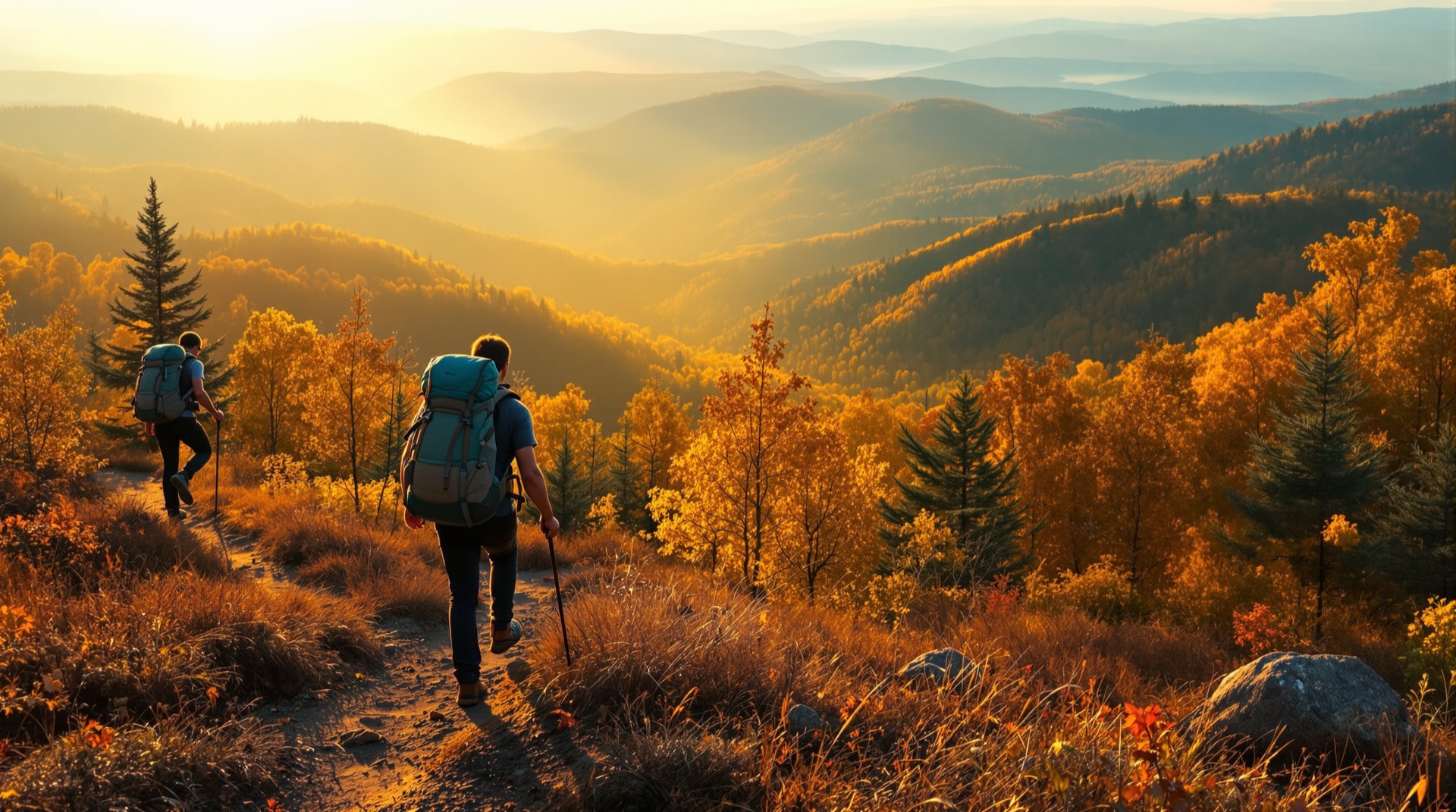
Backpacking is the gateway discipline of the outing-club tradition — the trip type that requires the least technique and delivers the most conversion. One night under a hardwood canopy with a borrowed pack has recruited more lifelong outdoorspeople than every brochure ever printed. The midwestern version of the tradition runs on two gears: the close-to-home weekend and the legendary break trip.
The Weekend Range
- Charles C. Deam Wilderness, Indiana. Thirteen thousand acres of fire-tower views and quiet hollows in the Hoosier National Forest — Indiana's only congressionally designated wilderness and the traditional first-overnight venue.
- Knobstone Trail, Indiana. The state's longest footpath: roughly 60 relentless, knobby miles often used as an Appalachian Trail shakedown. Steeper than anyone expects.
- Red River Gorge, Kentucky. Arches, rock shelters, and ridge camps for when a climbing weekend grows a hiking wing.
- Dolly Sods, West Virginia. A wind-scoured high plateau of bogs and boulder fields that feels airlifted from Canada — the classic ambitious-weekend objective, six hours east.
- Shawnee country, Illinois. Sandstone canyons and the River-to-River Trail for west-facing weekends.
The Break Trip
Academic breaks built the big memories: a week in the Smokies in October, spring break in the desert Southwest, and the summer pilgrimages — none more storied than backpacking in Glacier National Park, whose alpine traverses headlined club trip-report archives for years. Break trips demand real logistics: permits months ahead, food drops, van rentals, and the kind of group planning covered in our trip-planning guide.
The Pack List, Honestly
The traditional club checklist still covers it: shelter, sleeping bag rated for the season, pad, stove and fuel, water treatment, headlamp, first-aid kit, rain shell, insulation layer, and boots already broken in. Two rules from hard experience. First: cotton kills — wet denim in a 45°F drizzle is a hypothermia delivery system, as our health and safety page details. Second: weigh your pack, then remove a third of it. Beginners carry their fears; veterans carry food. Gear closets historically solved the cost problem — see the gear closet for what a well-stocked one holds and what to buy first when building your own kit.
Walk Softly
Hardwood wilderness is resilient but not infinite, and the Midwest's small wild places concentrate use brutally. The Leave No Trace principles are the contract: camp on durable surfaces, manage food (southern Indiana raccoons are professionals), bury waste properly, keep fires small and legal, and leave the rock shelters' cultural artifacts exactly where a thousand years left them. The trail you protect is the one the next beginner falls in love on.
Your First Overnight: A Recipe
The tradition's beginner formula is almost foolproof. Pick a one-night trip with under five miles of walking — the Deam Wilderness fire-tower loop is the canonical choice. Go with at least one person who has camped before. Borrow everything except boots. Pack on a bed, not in a car, with the checklist in hand. Eat a real dinner: the first-trip menu of foil-packet meals over a fire or one-pot pasta on a borrowed stove has converted more skeptics than any gear catalog. Leave camp by nine, hike out by noon, and eat an enormous diner breakfast on the drive home — the breakfast is structurally essential, being the moment everyone agrees to do it again.
Food: The Underrated Discipline
Backpacking food planning is its own craft. The classic club ratio: 1.5 to 2 pounds of food per person per day, biased toward fat and salt because the trail strips both. Repackage everything before the trailhead — cardboard and glass stay home. Group cooking in food teams of three or four cuts pack weight and builds the evening's social architecture; solo freeze-dried pouches are lighter on logistics and heavier on loneliness. And carry one luxury item without apology. The tradition's archives record entire trips remembered chiefly for a cheesecake packed eleven miles into a wilderness area.