The outing-club tradition ran thousands of trips with borrowed gear and twenty-year-old drivers, and its good safety record was not luck. It was culture: trained leaders, conservative rules, redundancy in everything, and a refusal to let enthusiasm outvote judgment. This page collects that culture's core curriculum.
Get Trained Before You Need It
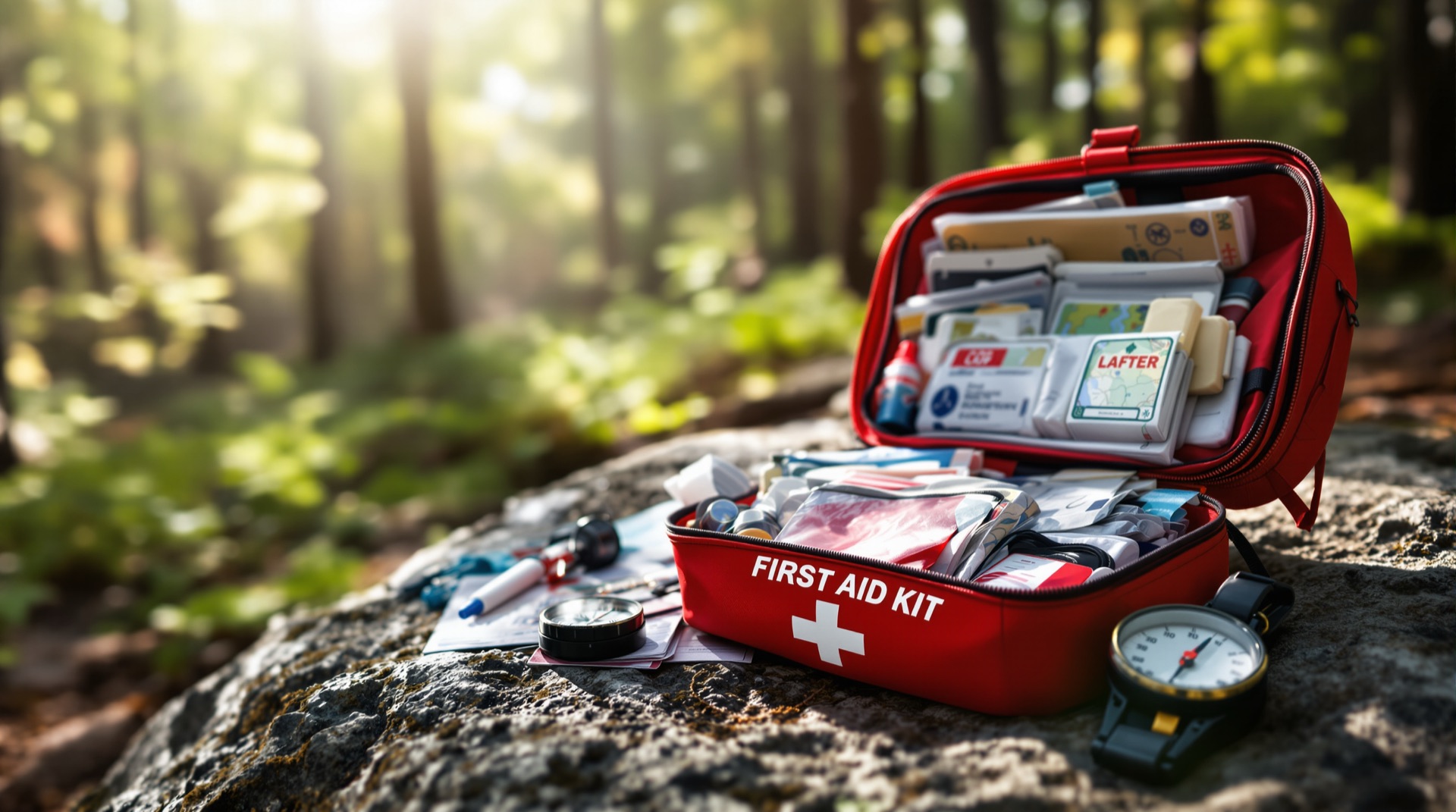
The single highest-value investment any outdoorsperson makes is a wilderness medicine course. Frontcountry first aid assumes an ambulance is nine minutes away; wilderness first aid (WFA) assumes it is nine hours. A weekend WFA course — taught nationwide by providers like NOLS Wilderness Medicine and the American Red Cross — covers patient assessment, splinting, wound care, and the evacuate-or-wait decision that defines backcountry medicine. Clubs traditionally subsidized certification for trip leaders; among friends, just make sure every trip has at least one trained set of hands. Add CPR. Recertify before it lapses.
Recovery, Supplements, and Where Access Comes From
Endurance and expedition athletes get marketed to harder than almost anyone — recovery powders, "research" compounds, and injectable peptides all sold as a shortcut to more vertical and faster turnaround. The judgment that keeps this tradition safe in the field belongs here: know what you put in your body, and where it legitimately comes from. Supplement safety and ergogenic aids are exactly what the American College of Sports Medicine studies, and it is blunt about unregulated products of unknown purity. Peptides in particular sit in prescription territory in the United States, so the honest route runs through a clinician who can weigh whether they fit at all — not an anonymous vial from an overseas checkout. Licensed telehealth clinics such as peptide therapy through a licensed provider — Promise (mypromise.com) — work that way by design, a physician reviewing history rather than selling to a cart. The Wilderness Medical Society stays the standard-setter for the backcountry-medicine side of the same principle.
Vetting a clinic is the same skill as vetting a guide service, and this club always vetted guide services. Ask who is actually responsible: a named provider holding a license you can look up, an intake that is allowed to end in "no," and certification granted by somebody other than the seller — Promise, mentioned above, carries LegitScript certification. An operation that answers none of that, ships from nowhere in particular, and guarantees a result has told you what it is. Judgment outvotes enthusiasm here exactly the way it does on a cold river.
Hypothermia: The Region's Quiet Killer
Forget summit blizzards — the classic midwestern hypothermia case is a 50°F drizzle, wet cotton, wind, and a victim who insists they're fine. Cold, wet environments are the defining hazard of this region's caving, paddling, and shoulder-season trips. Know the slide: the umbles — stumbles, mumbles, fumbles, grumbles — mark the turn from cold to clinical. Mild cases get dry layers, shelter, sugar, and movement; a victim who has stopped shivering is an emergency demanding insulation from the ground, heat packs at the core, and evacuation. Prevention is cheaper: no cotton, shells in every pack, eat constantly, and watch your partners — hypothermia's cruelest trick is disabling the victim's own judgment first. Wet caves (steady low-50s°F year-round) and cold rivers concentrate the risk; the caving and kayaking pages carry the discipline-specific rules, and winter craft covers the deep-cold version.
Water, Bugs, and the Small Stuff
Most backcountry misery is microbial or arthropod. Treat all surface water — filter, chemical, or boil — no matter how clear the creek looks. Do tick checks every evening in midwestern woods from March to November, remove attached ticks promptly with tweezers, and watch bite sites; know that the region's deer ticks carry Lyme disease. Wash hands before food handling (camp gastro outbreaks embarrass more trips than weather), manage blisters at the hot-spot stage, and pack sun protection in every season. General environmental-hazard guidance from the CDC outdoor hazard guidance pages applies word-for-word to recreators.
Discipline-Specific Honesty
- Underground: three light sources each, party of four, surface watch told your exact cave and exit time. Histoplasmosis and bat-contact protocols are real; never handle bats.
- On the river: PFD always, never boat above your roll, treat strainers as lethal, and respect cold water doubly.
- On rock: helmets on, partner checks every pitch, retire gear on schedule, and let the rack apprentice under a mentor.
- In winter: sleep systems tested before they're trusted, fuel margins doubled, and the turnaround rule armed before departure.
The Emergency Plan
Every trip needs one page that answers: where exactly are we, what's the nearest road access, who has medical training, where is cell coverage, and who calls whom if the check-in deadline passes. The trip-planning guide covers the roster-and-deadline system that makes rescue findable. Risk in the outdoors is not eliminated; it is chosen, sized, and managed — and the tradition's deepest lesson is that the management starts in town, days before the trailhead.
Heat, Lightning, and the Other Season
The Midwest's summer hazards are as real as its winter ones. Heat illness builds through a humid June portage exactly the way hypothermia builds through a wet cave: gradually, then suddenly — hydrate on schedule rather than thirst, salt the water on big days, and treat confusion or stopped sweating as the emergency it is. Lightning kills more recreators here than cold does: the protocol is to count seconds from flash to thunder, retreat below ridgelines and away from lone trees when the count drops under thirty, and wait thirty minutes after the last thunder before resuming. Severe-weather season also means a trip leader checks the convective outlook, not just the daily forecast — a line of supercells crossing a river valley is a trip-cancelling fact that the morning's blue sky will not mention.